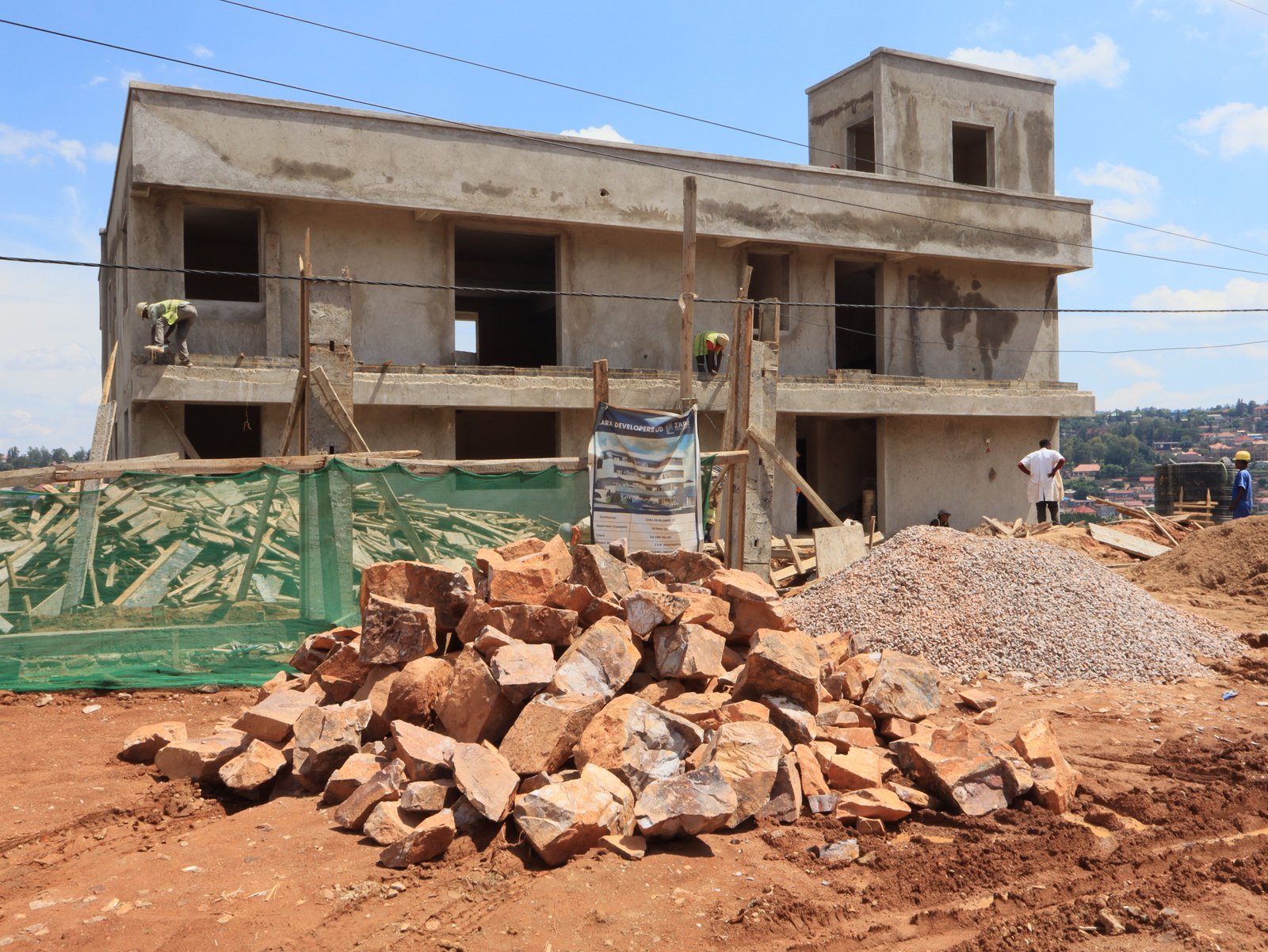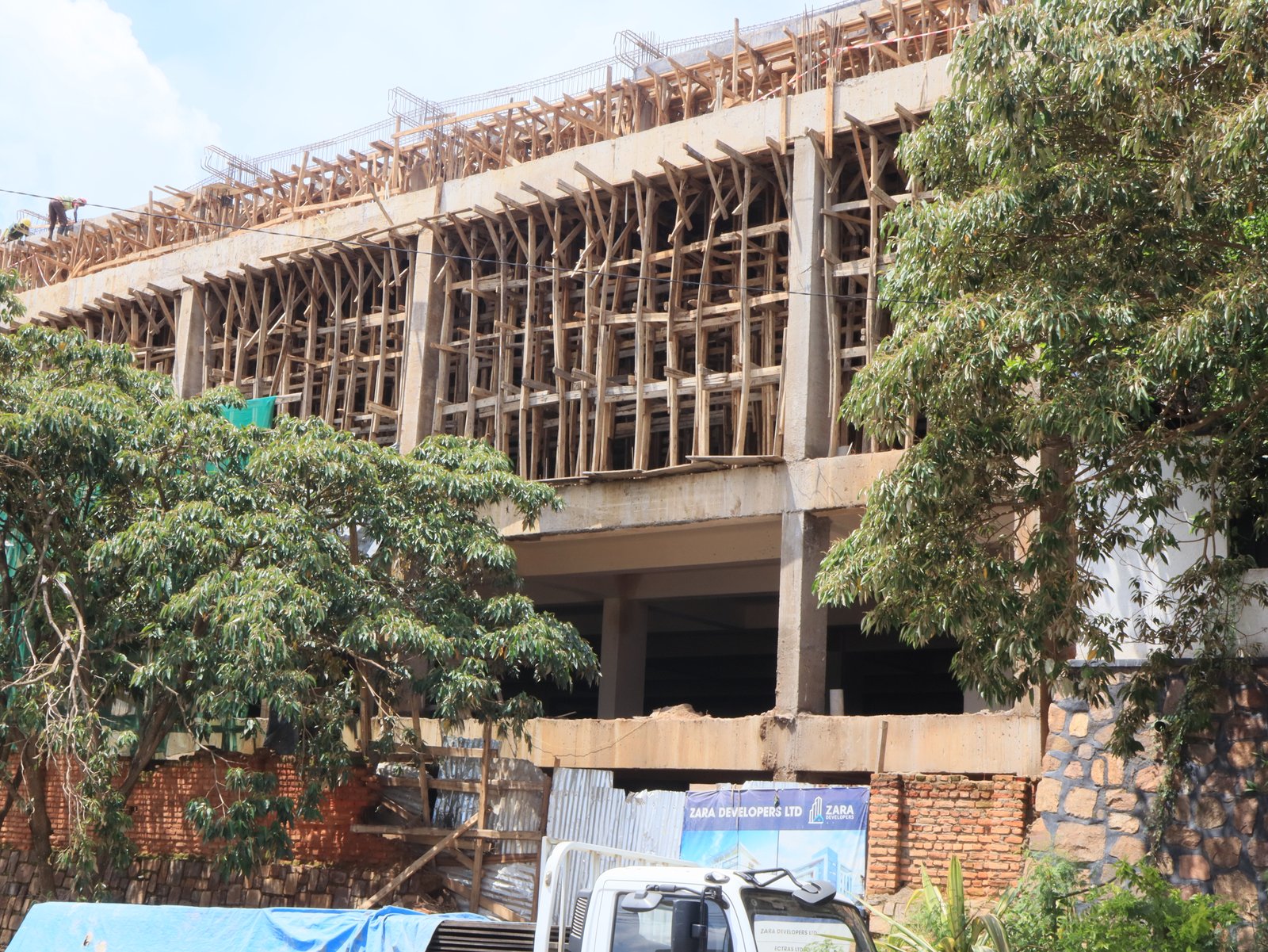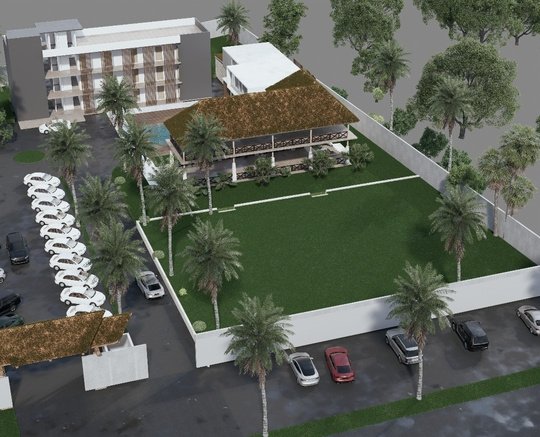
Rwanda’s construction industry has been expanding rapidly, driven by major infrastructure projects nationwide. The scale and pace of these developments are putting significant pressure on local suppliers and driving up prices for key building materials.
Boom in Construction Activity
In 2025, Rwanda saw a surge in construction activity across urban and regional areas. Major public and private infrastructure investments—including the Bugesera International Airport, Nzovu Mall, road expansions, affordable housing schemes, and wetland rehabilitation—have contributed to an unprecedented demand for cement, steel, gravel, sand, timber and other materials. These projects are expected to consume roughly half of the country’s annual cement output of 1.5 million tonnes and substantial volumes of imported steel.
Sharp Price Increases and Supply Shortages
The rapid uptick in demand has strained material supplies. Prices for iron bars (rebar) surged from around Rwf 14,000 to Rwf 27,000 per kilogram, nearly doubling in 2025. Similarly, the price of a truckload of bricks increased from about Rwf 70,000 to Rwf 120,000. Many construction materials have become scarce, with some products unavailable for extended periods.
Economic data confirm these trends. Rwanda’s Producer Price Index (PPI) for construction materials rose by 5–10 % on average in 2025. Non-metallic mineral products (including cement and lime) increased by 21 %, while metal products (such as steel) climbed by 22 %, reflecting building cost inflation.
Industry Growth Amid Cost Pressures
Despite rising input costs, the overall value of the Rwandan construction sector continued to grow, rising from USD 1.3 billion in 2024 to USD 1.4 billion in 2025. Construction output also expanded year-on-year during the second quarter of 2025, contributing to broader industrial and economic growth.
Challenges for Small Builders
While large projects benefit from substantial budgets and long supply contracts, smaller contractors and individual builders have struggled. The prioritisation of bulk orders for mega developments has exacerbated shortages for smaller buyers, delaying many local and residential builds.